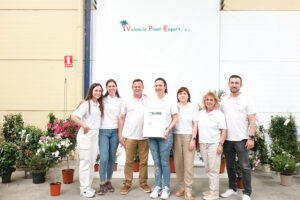
Valencia Plant Export is celebrating its 25th anniversary with a new milestone: the Spanish plant wholesaler is the first in the country to obtain the Florimark GTP certificate from MPS. The new certificate is evidence that Valencia Plant Export applies ‘Good Trading Practices’. We spoke to Director Isabelle Falger about the certification process and the benefits so far.
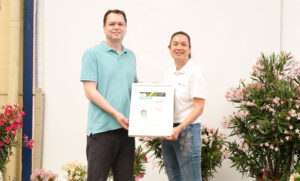
MPS coordinator René Rombouts and Isabelle Falger
How would you describe your company and business philosophy?
Since we opened our doors in 1999, Valencia Plant Export has specialised in exporting Mediterranean plants to Germany. As a family business, we put a lot of time and effort into quality assurance, because we’d never have our good reputation without that commitment to quality. The key to Valencia Plant Export’s success lies in the strong relationships we have with our suppliers. We’re committed to long-term collaborations that have continued to develop and grow stronger over the years.
Which factors are essential to your operations and logistics?
At Valencia Plant Export, the relationship between supplier and customer comes first. That’s why we pay careful attention to logistics planning, product inspections and timely deliveries to customers. Communications and meetings with our suppliers and customers in the eight months leading up to the season are also crucial when it comes to meeting our customers’ quality expectations. The logistics involved in coordinating trolleys and truck loading is also a very important part of our work.
Why did you opt for ‘Good Trading Practice’ certification?
We were extremely keen for Valencia Plant Export to be the very first Spanish company to receive GTP certification, as a means of setting ourselves apart. We couldn’t be more proud of our certificate – it really is our crowning achievement and a great reward for all our daily efforts.
What are your customers’ requirements with respect to product certification?
At present, our customers feel that it’s particularly important for our suppliers to have MPS or GLOBALG.A.P. certification. GRASP certification should become mandatory soon. This particular certificate, however, sets us apart in the market and adds value to our business, and we’re sure our customers will appreciate that.
Sustainability is a trend within the industry. What are you currently doing to go green?
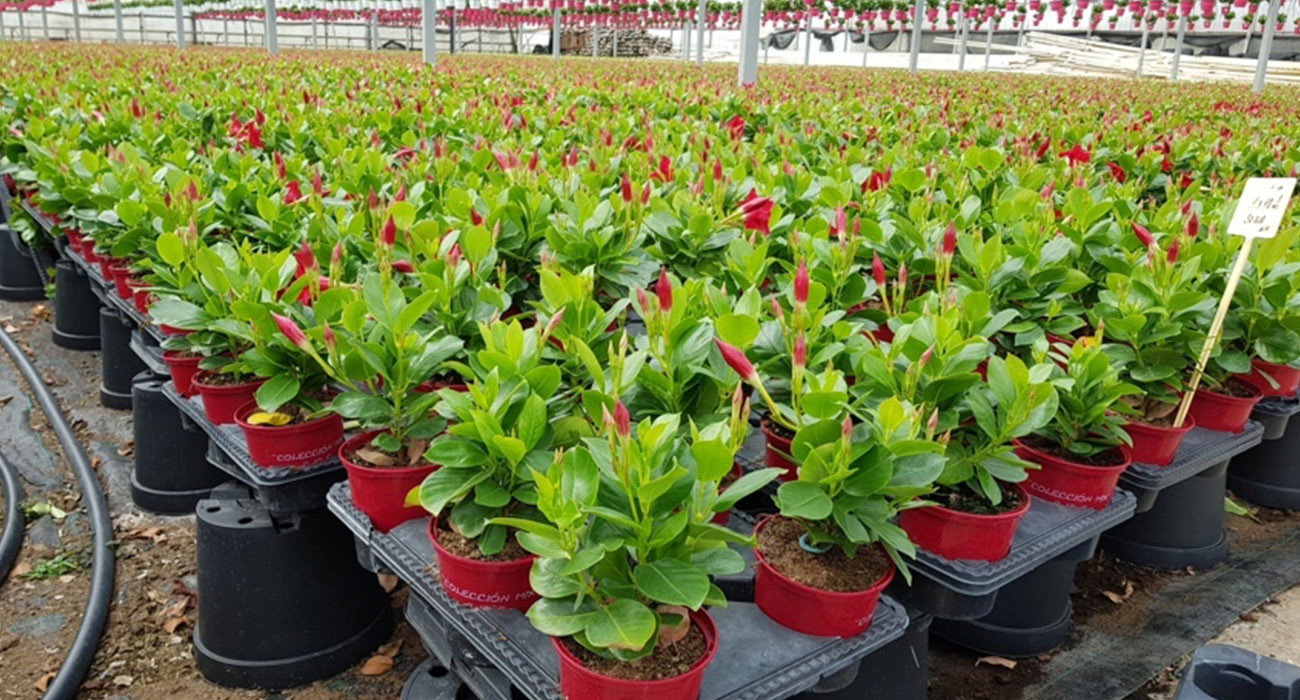
All of our suppliers use recycled and reusable pots, and are increasingly choosing alternatives to peat. What’s more, part of the clue is in our company name: Valencia Plant Export focuses primarily on selling local products from our own Spanish soil, such as the Nerium oleander. By exporting local products, we can reduce the impact of our carbon footprint and operate more efficiently and sustainably.
 How did you find the process of preparing for certification?
Over the past few months, we have worked hard to record all of our daily activities. Thanks to MPS, we’ve also been able to improve and optimise many of our internal processes.
What did you get out of the process?
Valencia Plant Export now has a clear company structure and even better defined business processes for everything from our suppliers’ nurseries to the journey from the factory to our customers’ living rooms and gardens. Needless to say, GTP certification has also really boosted our company’s image. At Valencia Plant Export, we’re committed to eco-efficient resource practices and are fully compliant with all legal requirements and applicable environmental regulations.
This article originally appeared on the guiaverde.com website on 13 June 2024.