Your customer asks for environmental certification, but what exactly does this mean and what good is it for you? Do you want to make your company more sustainable, but you are not sure where to start? Soon we will be travelling abroad to tell you everything about MPS-ABC environmental certification. At this moment, MPS travels through the Netherlands and provides information sessions about what MPS-ABC environmental certification entails.
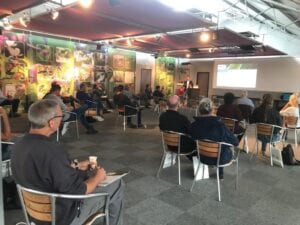
Raymond Scheepens tells more about MPS-ABC environmental certification during one of the information sessions.
The first information session has now taken place Waterdrinker B.V. in Aalsmeer, the Netherlands. Due to great interest, an information session took place today at two locations, at Groen-Direkt and Plantarium in Hazerswoude-Dorp. At a safe distance from each other, visitors could obtain information about MPS-ABC and the developments in the market. The new record-keeping environment was also demonstrated.
Good reputation
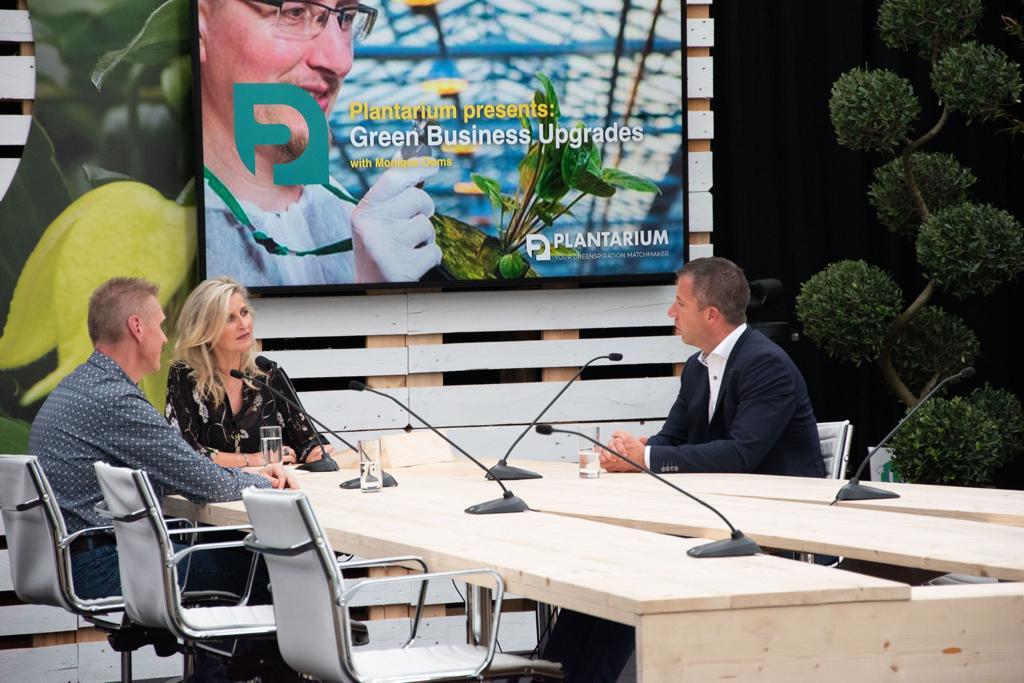
Raymond Scheepens, our Area Manager, was also a guest at Plantarium Digital Expo yesterday to talk about environmental certification. It is clear that growers will soon no longer be able to ignore environmental certification. Royal FloraHolland makes environmental certification mandatory from 1 January 2021. With MPS-ABC, the requirements of Royal FloraHolland are met, as well as those of the Floriculture Sustainability Initiative. But why do these parties actually make environmental certification mandatory? “More and more buyers and consumers consider sustainability important. Together we must ensure a good reputation for our product and make the world greener step by step,” Scheepens said during Plantarium Digital Expo.
Environmental certification also ensures that you can make your sustainability efforts transparent and measurable. Scheepens: “Within MPS-ABC, growers with the same product that is grown under the same production conditions are compared with each other. Based on this, the grower receives a score: A +, A, B or C, where A + is the most sustainable.”
The Plantarium Digital Expo also discussed the obstacles growers feel to start with environmental certification: complexity of environmental certification and the time it takes. Scheepens: “I can indicate that for an average company it takes about an hour per month. With regard to the complexity: we visit you to explain everything during a start-up meeting and we will not leave before you can start working independently. ”
On tour
“We are currently on tour through the Netherlands to inform growers about MPS-ABC environmental certification. We have already ticked several places. Soon we will start with information sessions abroad. It was nice to notice during the first sessions that people realize that the world is changing and that sustainability is no longer something they can ignore. ”